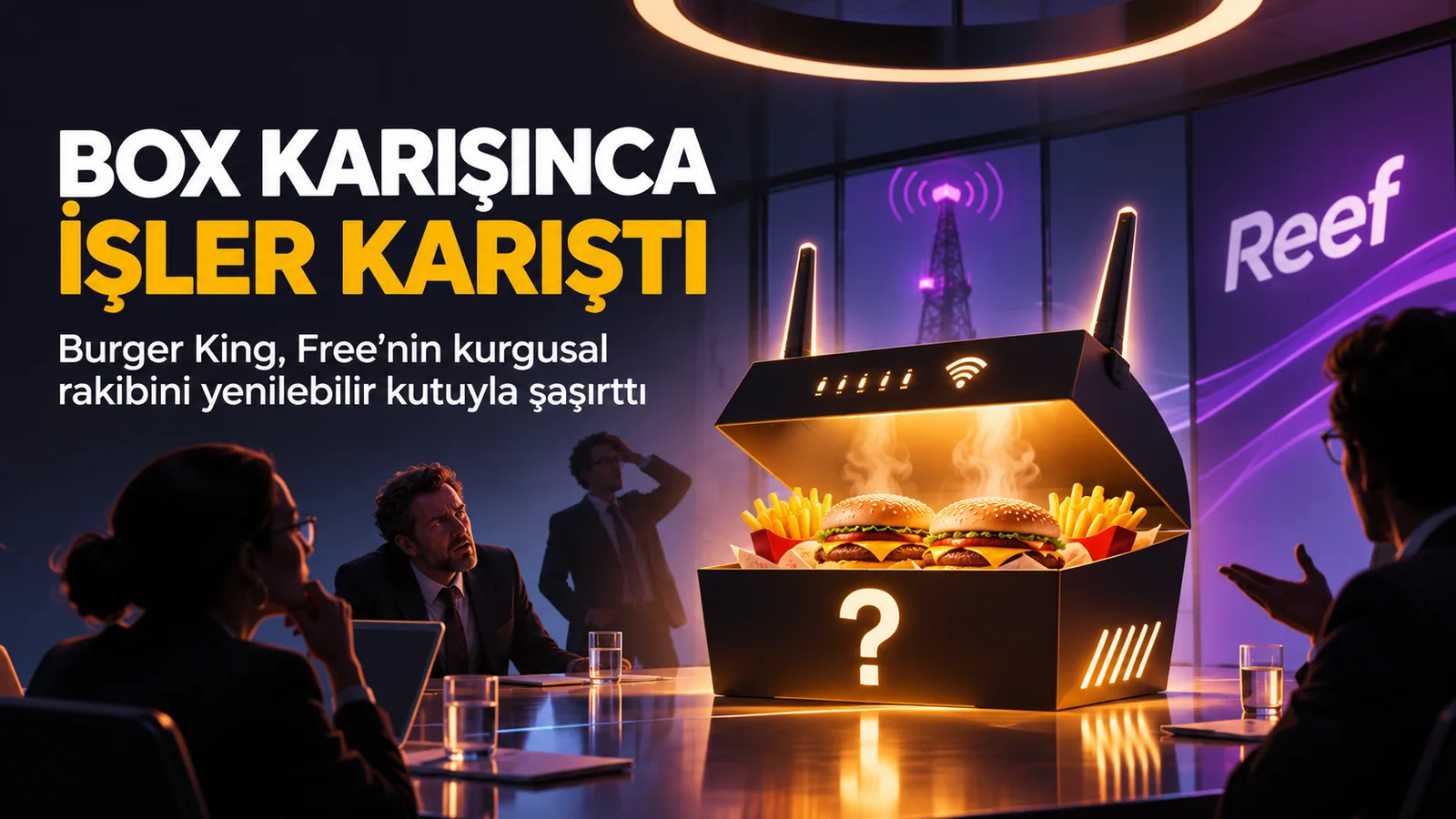
When one brand joins a joke set up by another, it usually doesn't go beyond a social media comment. But Burger King France turned the wordplay from an ad for Free's fictional rival Reef into a real product. In the ad, the team misunderstands Jane when she says she's working on a new internet "box," and a food box appears. Burger King steps right into that misunderstanding with the Box Mystère.
The work, by Buzzman, brings together the telecom term "box"—meaning modem and subscription package—with a fast-food box in the same sentence. The result is not just a witty post; it's a limited-time menu sold at Burger King restaurants in France until November 23, priced at 10 euros.
The gap in the rival's ad
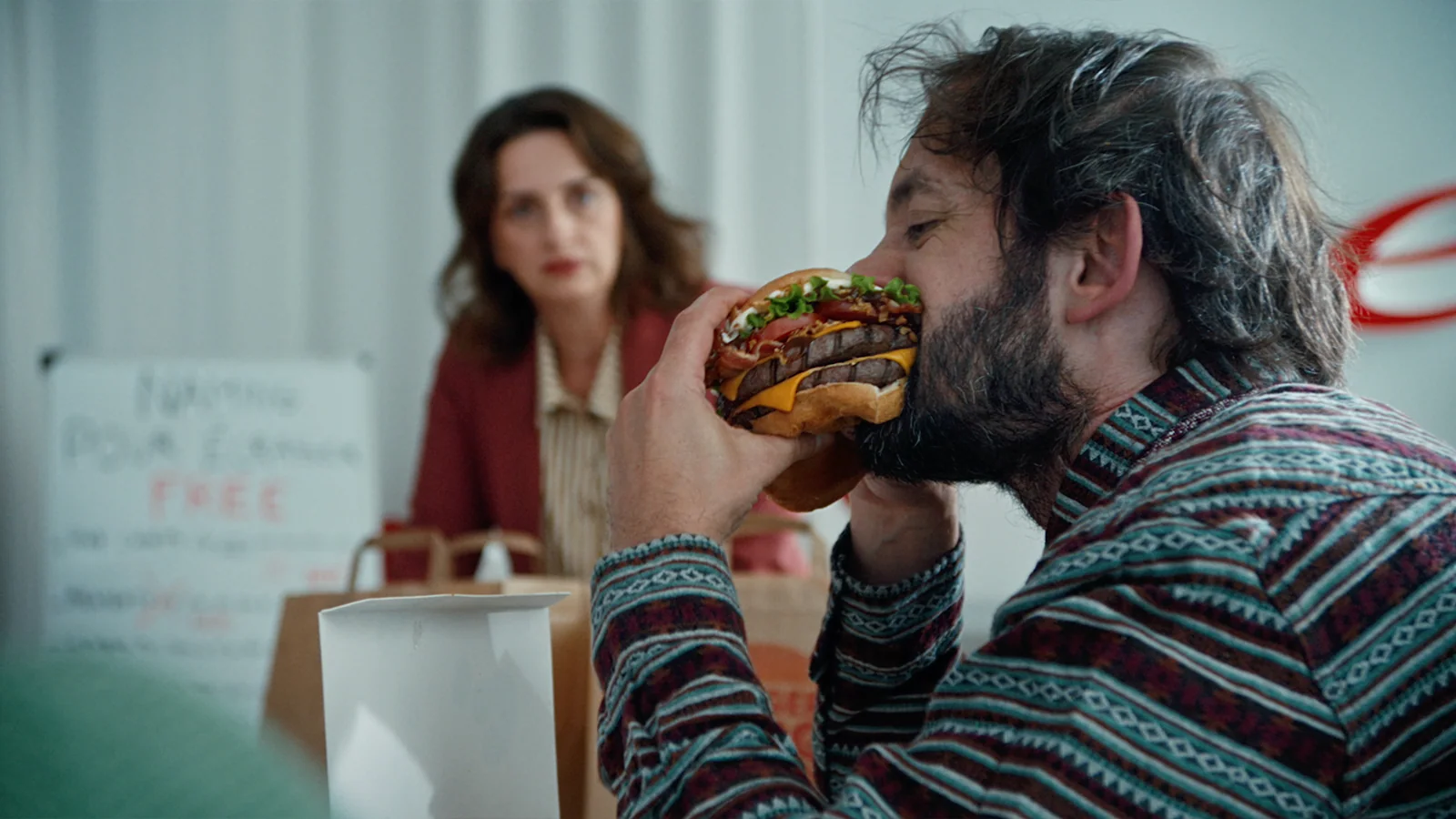
Free's film follows the chaotic creative team of a fictional rival called Reef. When Jane presents the "box" as a technical product idea, it turns into a food box in her teammates' hands. What Burger King does is not re-explain the scene; it connects the misunderstanding already left open in the film to a physical product. Thus, without creating the impression of an official partnership between the two campaigns, a joke known to the audience is continued.
The Box Mystère contains an iconic burger, a snack, a second burger, and fries. Which items will appear is not revealed before ordering. The "mystery box" idea carries the ad's misunderstanding humor into the moment of purchase: you know what the box means, but you don't know what's inside.
From real-time marketing to product development
What's striking about the work is not so much speed as scale. Burger King doesn't just quote an ad in the news; it turns it into a product with a set price, contents, and sales period. This choice takes the inter-brand joke out of the social media feed and into restaurant operations. The campaign launched on November 3 with 15- and 30-second films; directed by Hafid Benamar and produced by Sovage.
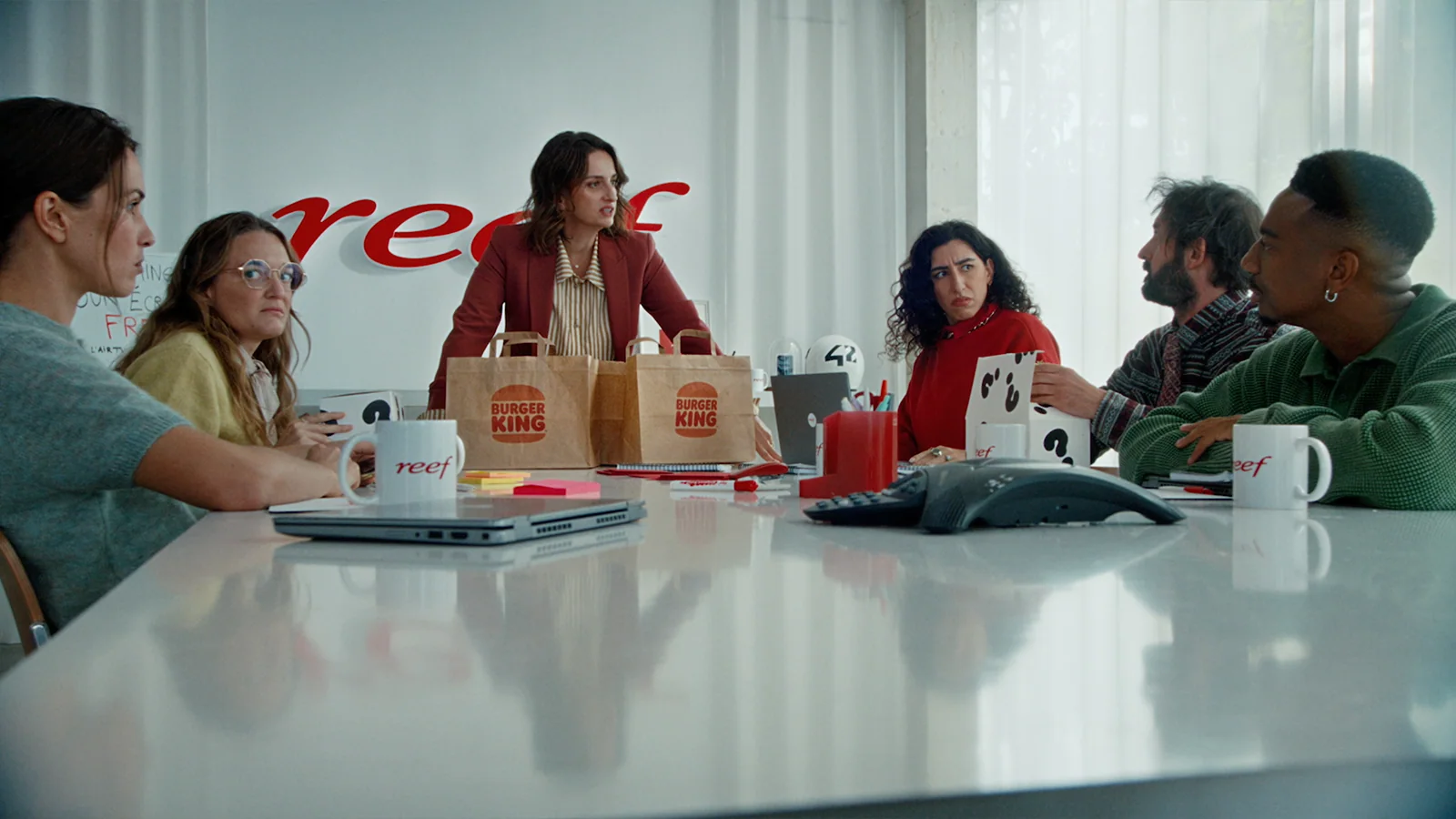
The creative method here is to add new meaning to the rival's message without distorting it. While Free's ad pokes fun at telecom industry jargon, Burger King pulls the same word into its own product world. That's why the idea doesn't feel like just a show of "we're following the agenda too." A brand from another category completes the missing piece of a pre-built story.
Of course, such work may partly lose its context for viewers who haven't seen the first ad. The fact that Box Mystère works as a standalone product idea reduces this risk. Those who know the campaign read the second layer; those who don't encounter a surprise menu. That's the common trait of good reactive work: even if the joke depends on context, the product can be understood on its own.